Does eSIM Work in China?
Yes, travel eSIMs work in China, and the good ones load Google, WhatsApp, and Gmail without a VPN. How they differ from a local SIM, phone compatibility, and when to activate.
Last updated
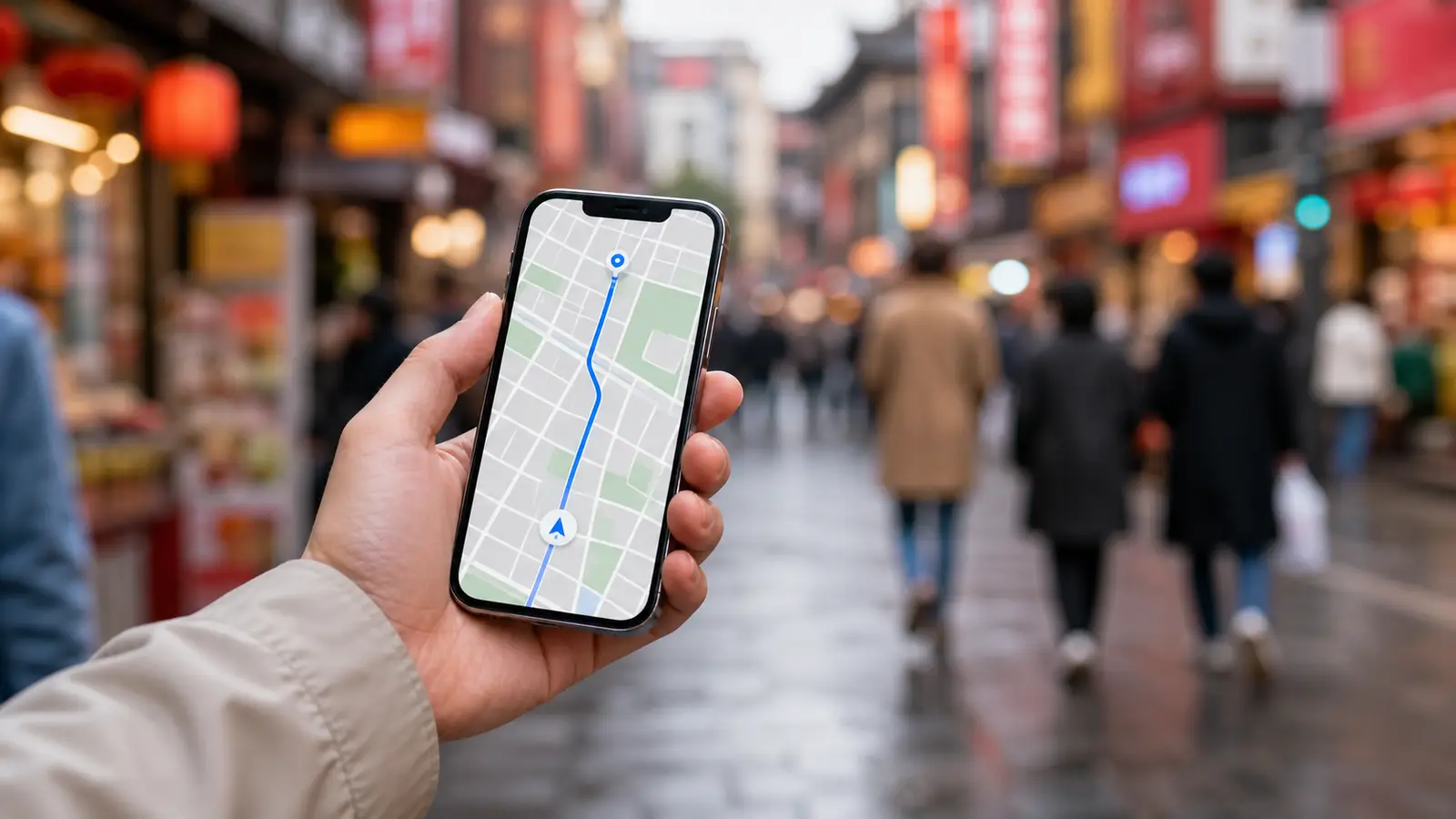
Short answer: yes, eSIM works in China, and for most first-time visitors a travel eSIM is the easiest way to stay online. The longer answer is worth a minute, because there are two very different kinds of eSIM and only one of them solves the problem foreign tourists actually care about, which is getting Google, WhatsApp, and Gmail to load. If you just want a name and a working setup, our recommended default is Airalo: see the best eSIM for China comparison, or jump to the Airalo China eSIM review.
The kind of eSIM that matters for tourists
A travel eSIM is a data plan you buy from a foreign provider, install on your phone before you fly, and switch on when you land. It connects to a Chinese cell tower like any phone, but your data session exits through a gateway outside the mainland, usually Hong Kong or Singapore. To the wider internet you look like you are browsing from there, not from inside China.
This is the whole reason a travel eSIM is worth it. China’s firewall filters traffic that originates inside the mainland, so a normal local SIM cannot reach Google, WhatsApp, Instagram, Gmail, or YouTube without a separate VPN. A travel eSIM routes around that by design. Your Western apps load normally, with no VPN to install, configure, or hope still works on the day you arrive. That includes Google Maps, which fails on a local SIM but loads over a roaming eSIM, plus the rest of the apps worth downloading before you fly. If you are deciding whether to buy both tools, use the China eSIM vs VPN guide.
How this differs from a local SIM
You can walk into a China Mobile, China Unicom, or China Telecom shop with your passport and buy a local SIM, and it is genuinely cheap. The catch is that it sits behind the firewall. You would still need a working VPN for everyday Western apps, and you would spend setup time you would rather spend sightseeing. For a trip of two or three weeks, the travel eSIM is the simpler call.
Will your phone work?
Most phones from the last several years are eSIM capable. Run this quick compatibility check before you buy a plan:
- Supported phones: iPhone XS and newer (2018 onward), Google Pixel 3 and newer, and Samsung Galaxy S20 and newer (plus Note 20, Z Flip, and Z Fold). If your phone is from 2020 or later, it almost certainly works.
- Carrier unlocked: your phone must not be locked to a single carrier. Phones bought outright or fully paid off are unlocked; some on-contract handsets are not.
- Where you bought it matters: iPhones sold in mainland China have eSIM disabled (only the newest iPhone 17e and iPhone Air are exceptions, and they still cannot use a foreign travel eSIM). iPhones sold in Hong Kong or Macao support eSIM but cannot run mainland eSIM services. Phones bought in the US, UK, Canada, or Australia are fine.
- Not sure? On iPhone, open Settings, then Cellular (or Mobile Service), and look for “Add eSIM” or “Add Cellular Plan.” On Android, search Settings for “SIM” and look for an eSIM option. If it is there, you are good.
An eSIM adds a second line, so your home SIM stays active for calls and bank verification texts while the eSIM carries your China data.
Activate before you fly
This is the one step people get wrong. Buy and install the eSIM at home while you are on wifi, then leave it switched off until you land in China. Providers’ websites and apps can be hard to reach once you are inside the country, so installing in advance means your data is live the moment you turn the line on at the airport. Most plans activate the first time they connect to a network, so the timer does not start until you arrive.
Which eSIM should I get?
Picking a provider comes down to data amount, hotspot support, and price. We tested the main options and ranked them for a typical first-time visitor in our best eSIM for China comparison. The short version:
- Most people: Airalo. Our #1 pick. It routes via international roaming so Google, WhatsApp, and Gmail work with no VPN, allows hotspot sharing, and is the easiest brand to trust and top up mid-trip.
- Multi-city trips with long train legs: Nomad. Reliable on high-speed rail and better value on longer plans. Read the Nomad China eSIM review if your route includes several train transfers.
- One phone, want truly unlimited data: Holafly. Good for a solo traveler or couple, but its hotspot is capped, so skip it if you need to tether a laptop.
- Lowest entry price: Saily. The value pick if you want the cheapest small plan.
If you just want the safe default and move on, start with Airalo and read the full best eSIM for China breakdown. Once your data is sorted, set up Alipay for foreigners and lock in your first-time China itinerary before you fly.
Frequently asked questions
- Will a China eSIM work on my phone?
- Most phones from the last few years support eSIM, including recent iPhone, Samsung Galaxy, and Google Pixel models, and they keep your home SIM active as a second line. Two things trip people up: your phone must be carrier-unlocked, and phones bought in mainland China often have eSIM disabled at the hardware level, so check before you rely on one. If in doubt, search your exact model plus eSIM, or look for the eSIM option in your phone's mobile data settings before you travel.
- When should I activate my China eSIM?
- Install the eSIM at home while you still have reliable internet, ideally a day or two before departure, but wait to activate it until you arrive in China. Installing only downloads the profile; activation usually starts the validity clock when the eSIM first connects to a Chinese network or on a start date you set. Setting it up in advance means you have working, unblocked data from the moment you land instead of fighting restricted airport Wi-Fi.
- Is a travel eSIM better than buying a local SIM card in China?
- For most first-time visitors a travel eSIM is better, because it routes data through international roaming so Google, WhatsApp, and Gmail work without a VPN, and you install it before you leave home. A local Chinese SIM is cheaper for heavy data but connects you to the censored mainland internet and requires passport registration at a shop on arrival. Unless you are staying many weeks, the eSIM saves time and keeps your usual apps working.
- Can I keep my home phone number while using a China eSIM?
- Yes. An eSIM adds a second line, so you keep your physical home SIM active for calls and texts while the eSIM carries your data in China. Set the eSIM as your data line and turn off roaming on your home number to avoid surprise charges. You can still receive bank verification texts on your home number as long as it has signal.